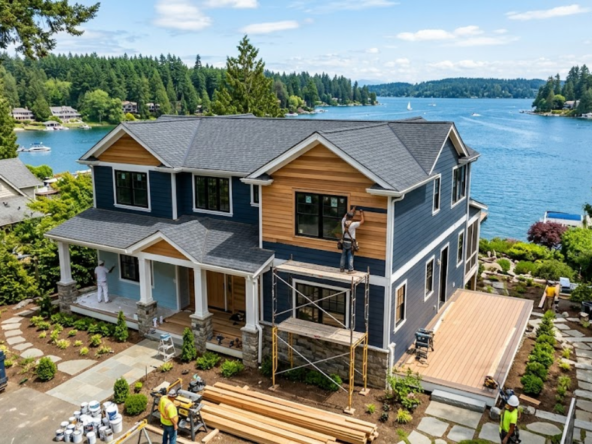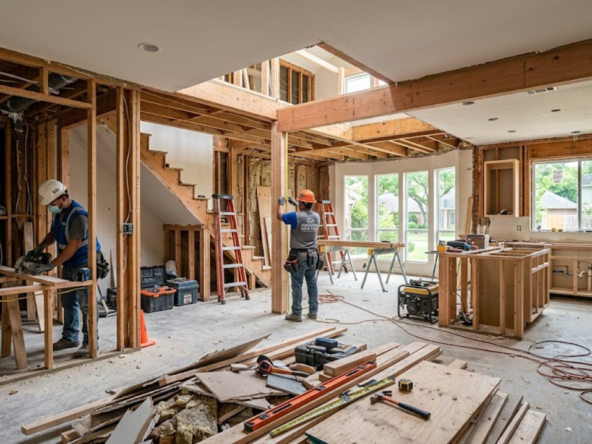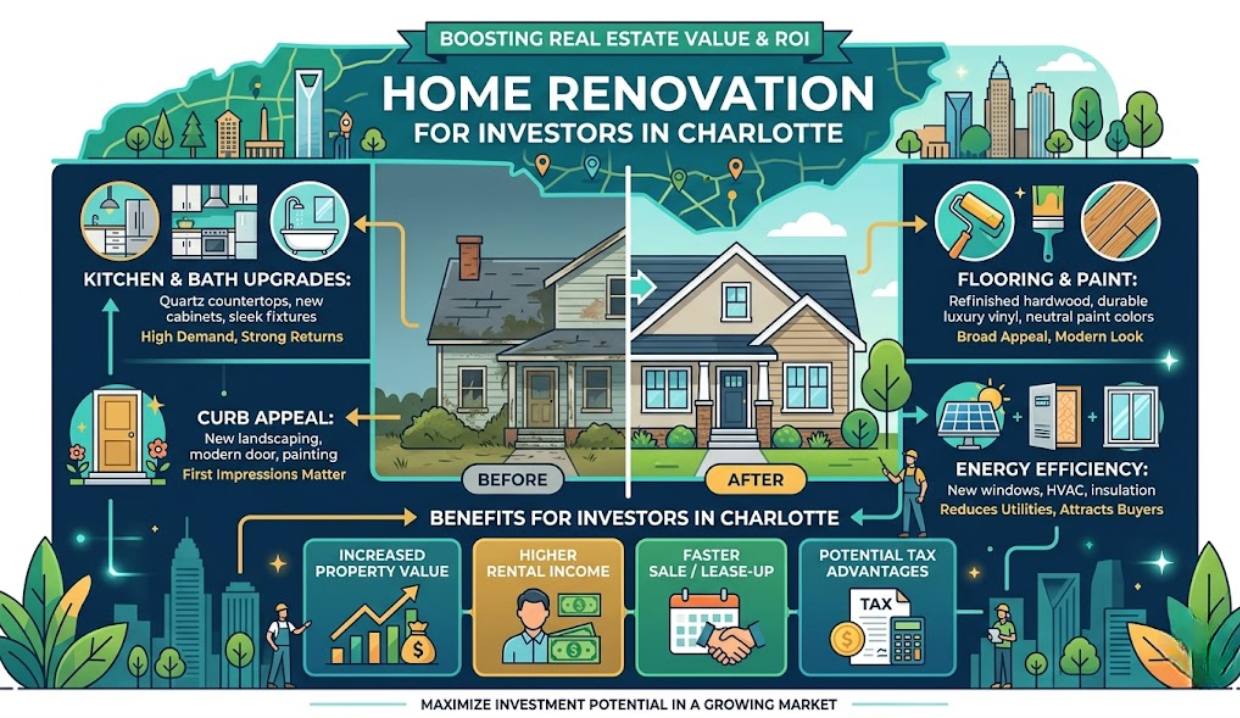
Home renovation for investors in Charlotte has become one of the most active and opportunity-rich strategies in the Southeast real estate market. With rising demand for rental housing, strong population growth, and steady property appreciation, investors are increasingly using renovation-based strategies to build equity, increase cash flow, and maximize returns.
But success in this market is not just about buying a cheap property and fixing it up. It requires structured planning, accurate valuation, risk control, and a deep understanding of how Charlotte’s neighborhoods behave differently in terms of ROI potential.
This guide breaks everything down in a practical, investor-focused way so you can make smarter renovation decisions from acquisition to exit.
Understanding the Charlotte Real Estate Investment Landscape
Charlotte is one of the fastest-growing housing markets in the United States. Strong job growth, expanding suburbs, and consistent rental demand make it attractive for both domestic and international investors.
The real opportunity in home renovation for investors in Charlotte lies in:
- Older housing stock in emerging neighborhoods
- Distressed properties with below-market pricing
- High rental demand from young professionals and families
- Suburban expansion creating undervalued pockets
The key concept here is simple: investors are not just buying homes—they are buying potential value.
Why Charlotte Works for Renovation Investors
- Strong population inflow from other states
- Corporate hubs and banking industry stability
- Limited affordable housing supply
- High rental absorption rate
These conditions create a healthy environment for fix-and-flip and rental renovation strategies.
Investment Property Renovation Strategies That Actually Work
Not all renovation strategies perform equally in Charlotte. Investors typically choose between three main models depending on risk tolerance and capital.
1. Fix and Flip Strategy
This model focuses on short-term profit. Investors buy undervalued homes, renovate quickly, and sell at a higher price based on ARV.
Key success factors:
- Accurate after repair value (ARV) estimation
- Fast renovation timelines
- Tight budget control
- Strong contractor coordination
In Charlotte, flipping works best in transitional neighborhoods where property values are actively rising.
2. BRRRR Strategy (Buy, Rehab, Rent, Refinance, Repeat)
The BRRRR strategy is one of the most powerful long-term wealth-building methods.
It allows investors to:
- Recycle capital
- Build rental portfolios faster
- Increase cash flow through refinancing
For home renovation for investors in Charlotte, BRRRR is ideal in stable rental-heavy neighborhoods where appreciation is steady but not explosive.
3. Buy-and-Hold Rental Renovation
This strategy focuses on long-term passive income.
Investors renovate properties specifically for tenant durability and reduced maintenance costs. It prioritizes function over luxury.
How ROI, ARV, and Profit Margins Work in Real Projects
Understanding numbers is where most investors either succeed or fail.
What is ARV?
After Repair Value (ARV) is the estimated value of a property after renovation.
Simple definition:
ARV is the price a home can sell for after all planned renovations are completed, based on comparable sales in the area.
Also read: Gut Home Renovation Houston What You Need to Know Guide
Basic Profit Formula
Profit = ARV − (Purchase Price + Renovation Cost + Holding Costs)
Example Scenario
- Purchase Price: $220,000
- Renovation Cost: $60,000
- ARV: $340,000
Estimated Profit: $60,000 (before taxes and fees)
Key Insight
In Charlotte, small differences in renovation quality can significantly impact ARV. This is why value engineering is critical.
High-ROI Renovations That Increase Property Value
Not all upgrades deliver equal returns. Investors must focus on impact-driven renovations.
Kitchen Upgrades
- Cabinet refacing or replacement
- Quartz countertops
- Modern lighting
- Stainless steel appliances
Kitchens strongly influence buyer psychology and rental demand.
Bathroom Improvements
- Walk-in showers
- Updated vanities
- Water-efficient fixtures
Structural vs Cosmetic Decisions
- Structural repairs improve safety and compliance
- Cosmetic upgrades improve perceived value
Smart investors balance both without overspending.
Rental-Focused Upgrades
For rental properties:
- Durable flooring (LVP preferred)
- Neutral paint
- Low-maintenance landscaping
- Energy-efficient windows
These improvements reduce turnover costs and increase tenant retention.
Charlotte-Specific Investment Factors You Must Understand
Neighborhood ROI Mapping
Not all Charlotte neighborhoods behave the same. Investors often analyze micro-markets rather than the city as a whole.
Key considerations:
- School district quality
- Proximity to employment hubs
- Future development plans
- Historical appreciation rates
Permits and Mecklenburg County Regulations
Renovation projects often require permits depending on scope.
Common regulated areas:
- Electrical work
- Plumbing changes
- Structural modifications
Ignoring compliance can delay exits and reduce profit margins.
Zoning and Variance Opportunities
Some investors unlock value through zoning adjustments or property use changes, especially in transitioning neighborhoods.
Financing Renovation Projects in Charlotte
Most investors do not use traditional mortgages for renovation deals.
Hard Money Loans
- Fast approval
- Higher interest rates
- Ideal for fix-and-flip projects
DSCR Loans
Debt Service Coverage Ratio loans are based on rental income rather than personal income.
Ideal for:
- Buy-and-hold investors
- Portfolio scaling
Private Lenders
Flexible terms and negotiation-based structure. Often used for competitive deals.
Contractor Management and Execution Strategy
Even the best deal can fail due to poor execution.
How Investors Select Contractors
- Verified renovation portfolio
- Clear timeline commitments
- Transparent cost breakdown
- Local Charlotte experience
Scope Control Strategy
One of the biggest risks in renovation investing is scope creep.
Smart investors define:
- Fixed renovation scope
- Material allowances
- Change order rules
Timeline Control
Delays directly reduce ROI. Every additional month increases holding costs.
Exit Strategies After Renovation
A strong exit strategy is as important as acquisition.
1. Sell for Profit
Best for:
- High ARV flips
- Strong buyer demand periods
2. Refinance and Hold
Investors refinance to pull out capital and keep the property as a rental.
3. Long-Term Rental Income
Best for:
- Stable neighborhoods
- Long-term wealth building
Risk Management in Home Renovation Investments
Risk is unavoidable, but it can be controlled.
Market Risk
Property values can shift during renovation cycles, affecting ARV.
Permit Delays
Approval delays can increase holding costs and reduce profit margins.
Budget Overruns
One of the most common issues in renovation investing.
Solution:
- Add contingency buffer (10–15%)
- Strict contractor agreements
- Regular site inspections
Advanced Strategies for Experienced Investors
Micro-Neighborhood Targeting
Instead of analyzing Charlotte as a whole, investors focus on block-level performance trends.
Scope Engineering
Adjusting renovation quality based on target buyer type:
- Entry-level buyers
- Mid-market buyers
- Luxury buyers
Market Cycle Timing
Successful investors understand when to:
- Buy aggressively
- Hold inventory
- Exit quickly
FAQS: Home Renovation for Investors in Charlotte
What makes Charlotte good for real estate renovation investing?
Charlotte offers strong rental demand, population growth, and diverse housing stock, making it ideal for value-add renovation strategies.
What is the most profitable renovation strategy?
Fix and flip offers fast returns, while BRRRR provides long-term wealth building through refinancing and rental income.
How do investors avoid overpaying for renovations?
By setting strict budgets, comparing contractor bids, and focusing only on ROI-driven upgrades.
Which renovations increase property value the most?
Kitchens, bathrooms, flooring upgrades, and energy-efficient improvements consistently deliver the highest returns.
Conclusion
Home renovation for investors in Charlotte is not just about construction—it is a structured investment strategy that combines market analysis, financial modeling, contractor management, and exit planning.
Investors who succeed in this market do three things consistently:
- They buy based on data, not emotion
- They renovate based on ROI, not preference
- They exit based on timing, not pressure
When executed correctly, renovation investing in Charlotte can deliver strong cash flow, long-term appreciation, and scalable portfolio growth.