A roof is more than just a cover over your home. It is the first line of defense against weather, moisture, heat, and structural damage. When it starts failing, repairs are no longer enough. That is when homeowners begin searching for a residential roof replacement contractor Lake Forest to handle a full system upgrade.
Roof replacement is not just about removing old shingles and installing new ones. It is a structured process involving inspection, permits, material selection, structural evaluation, and long-term performance planning. This guide breaks everything down in a practical, easy-to-understand way so you can make confident decisions without confusion.
Understanding Residential Roof Replacement
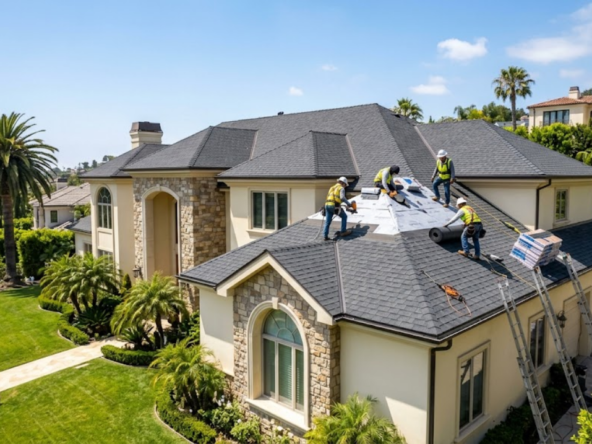
Residential roof replacement refers to the complete removal of an existing roofing system and installing a brand-new one. It is recommended when repairs can no longer restore safety, durability, or energy efficiency.
A full replacement usually includes:
- Removing old shingles or roofing material
- Inspecting roof decking and structural layers
- Repairing damaged wood or supports
- Installing new underlayment roofing system
- Adding new shingles or roofing material
- Sealing, flashing, and ventilation upgrades
In simple terms, it is a reset for your roof’s entire structure, not just its surface.
When Do You Need a Full Roof Replacement?
Homeowners often delay replacement because they assume repairs will be enough. However, certain signs indicate deeper issues.
You likely need a full replacement if you notice:
- Frequent roof leaks in multiple areas
- Missing, curling, or cracked shingles
- Sagging roof sections
- Water stains on ceilings or walls
- Mold or moisture in the attic
- Roof age exceeding 20–25 years
Once structural damage reaches the roof decking, patch repairs stop being effective. At that point, full replacement becomes the safer and more cost-efficient solution.
Complete Roof Replacement Process Explained
Understanding the process helps you avoid confusion when working with a residential roof replacement contractor in Lake Forest.
Step 1: Inspection and Evaluation
A professional inspection identifies hidden damage such as:
- Weak decking
- Moisture intrusion
- Insulation issues
- Ventilation problems
Step 2: Roof Tear-Off
Old roofing materials are completely removed. This step exposes the underlying structure and allows proper evaluation.
Step 3: Decking Repair
Any damaged plywood or OSB boards are replaced. This ensures the new roof has a solid foundation.
Step 4: Underlayment Installation
A protective barrier is added to prevent water penetration. Modern synthetic underlayment systems offer better durability than traditional felt.
Step 5: New Roofing Installation
Shingles or roofing materials are installed using manufacturer-approved methods. Asphalt shingles remain the most common choice due to durability and affordability.
Step 6: Flashing and Ventilation Setup
Critical areas like chimneys, valleys, and edges are sealed using metal flashing systems. Proper ventilation systems like ridge vents and soffit vents are installed to regulate attic airflow.
Step 7: Final Inspection and Cleanup
The final step ensures everything meets safety and quality standards. All debris is removed from the site.
Roofing Materials for Modern Homes
Choosing the right material affects durability, energy efficiency, and long-term cost.
Asphalt Shingles
The most common option for residential homes. They are cost-effective, durable, and available in architectural designs for better aesthetics.
Metal Roofing
Highly durable and energy-efficient. Reflects heat and performs well in extreme weather conditions.
Tile Roofing
Long-lasting and visually appealing, but heavier and more expensive.
Synthetic Roofing Systems
Modern option designed to mimic natural materials while improving performance and reducing maintenance.
Also read: How to plan home renovation lake forest for best value?today
Roof Replacement Cost Factors
Cost varies based on multiple factors, not just size.
Key pricing influences include:
- Roof size and slope complexity
- Material selection (asphalt, metal, tile)
- Structural decking damage
- Labor and installation difficulty
- Local permit requirements
- Waste removal and disposal fees
Additional hidden costs often include:
- Unexpected decking replacement
- Upgraded ventilation systems
- Flashing and insulation upgrades
- Permit processing fees
Understanding these helps avoid surprise expenses during the project.
Roof Replacement Timeline
Most residential projects take:
- 1–3 days for small homes
- 3–7 days for average homes
- Longer for structural repairs or weather delays
Weather conditions, material availability, and roof complexity can impact timing significantly.
Permits and Local Compliance in Lake Forest
Roof replacement is regulated by local building authorities. A permit ensures the work meets safety and structural standards.
Typical requirements include:
- Roofing permit approval before starting
- Compliance with fire safety standards
- Inspection after completion
- HOA approval in certain neighborhoods
Skipping permits can lead to penalties or insurance issues later.
Insurance and Roof Replacement Claims
Many homeowners rely on insurance when damage comes from storms or hail.
The process typically includes:
- Filing a claim with your insurance provider
- Scheduling an adjuster inspection
- Documenting roof damage with evidence
- Approval or partial approval of coverage
- Contractor estimate submission
Insurance often covers storm-related damage but not general wear and tear.
Choosing the Right Roofing Contractor
Selecting the right professional is the most important step in the process.
A reliable residential roof replacement contractor Lake Forest should have:
- Proper licensing and insurance
- Proven installation experience
- Transparent pricing structure
- Strong warranty coverage
- Verified local references
Red flags to avoid:
- Extremely low bids without explanation
- No written contract
- Pressure-based sales tactics
- Lack of physical business address
Energy Efficiency and Roof Upgrades
Roof replacement is a chance to improve your home’s efficiency.
Modern upgrades include:
- Reflective roofing materials
- Improved attic insulation R-value standards
- Energy-efficient ventilation systems
- Solar panel integration readiness
These improvements help reduce cooling costs and increase comfort year-round.
Common Problems During Roof Replacement
Even well-managed projects can face challenges.
Hidden Structural Damage
Sometimes, roof decking is weaker than expected, increasing repair costs.
Ventilation Mistakes
Poor airflow can lead to heat buildup and moisture issues in the attic.
Flashing Failures
Improper sealing around edges or chimneys can cause long-term leaks.
Weather Delays
Rain or extreme conditions can pause installation for safety reasons.
Maintenance After Roof Replacement
A new roof still needs care to maximize its lifespan.
Best practices include:
- Annual roof inspection
- Cleaning gutters regularly
- Checking attic ventilation
- Removing debris from the roof surface
- Monitoring for early leak signs
Proper maintenance can extend roof life significantly beyond average expectations.
Roof Replacement vs Roof Repair
Homeowners often struggle between repair and full replacement.
| Factor | Roof Repair | Roof Replacement |
|---|---|---|
| Cost | Lower short-term cost | Higher upfront cost |
| Lifespan | Temporary solution | Long-term solution |
| Damage Level | Minor issues | Structural or widespread damage |
| Value Impact | Limited | Increases home value |
If damage is localized, repair may be enough. If problems are widespread, replacement is the smarter investment.
Hidden Insights Most Homeowners Miss
Many people overlook important details such as:
- Noise and dust during the tear-off
- Temporary disruption to daily life
- Impact on indoor air quality during work
- Potential increase in home appraisal value
- Insurance premium changes after replacement
These factors matter just as much as cost and materials.
How Roof Replacement Impacts Home Value
A new roof is one of the strongest ROI improvements in residential properties. Buyers view it as a major advantage because it eliminates future repair costs and improves inspection results.
It can also:
- Improve energy efficiency ratings
- Strengthen negotiation power during resale
- Reduce buyer hesitation during inspections
FAQS: Residential roof replacement contractor Lake Forest
What is the average lifespan of a residential roof?
Most asphalt shingle roofs last 20–30 years, depending on maintenance and climate conditions.
Can roof replacement be done in winter or the rainy season?
Yes, but weather conditions may delay progress and affect installation speed.
How do I know if my roof decking is damaged?
Signs include sagging areas, soft spots, and water stains in the attic.
Does roof replacement increase insurance premiums?
Not usually. In many cases, it may even reduce risk-related costs.
Is roof replacement worth it before selling a home?
Yes. It improves property value, buyer confidence, and inspection results.
Final Thoughts
A roof is not just a structural element—it is a long-term investment in safety, comfort, and property value. Choosing the right residential roof replacement contractor Lake Forest ensures your home gets a durable, efficient, and professionally installed roofing system that lasts for decades.
Understanding the process, materials, costs, and hidden factors helps you make smarter decisions and avoid expensive mistakes. A well-planned roof replacement is not just a repair—it is a complete upgrade for your entire home.