Home remodeling laguna hills is more than just upgrading a house. It’s about reshaping how a home functions, feels, and performs over time. In a competitive housing market like Orange County, remodeling is often the difference between an outdated property and a high-value, modern living space.
Whether you’re planning a small kitchen update or a full structural transformation, understanding the process, regulations, and design strategy is essential. Many homeowners start with excitement but quickly get overwhelmed by permits, costs, and technical decisions. This guide simplifies everything into a clear, practical roadmap.
Understanding Home Remodeling in Laguna Hills
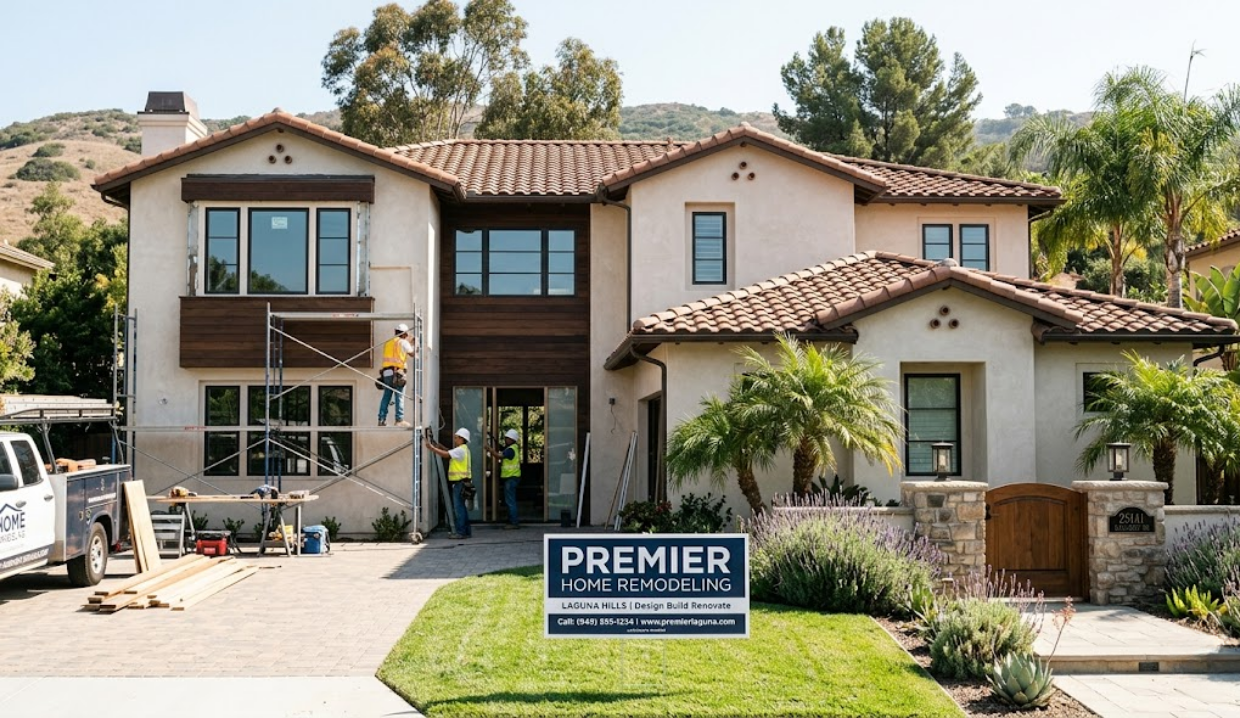
Home remodeling in Laguna Hills refers to modifying or upgrading an existing residential structure to improve layout, functionality, aesthetics, or structural integrity. This can range from cosmetic upgrades like flooring and paint to full-scale structural redesigns involving walls, plumbing, and electrical systems.
In cities like Laguna Hills, remodeling is heavily influenced by:
- Local building regulations
- HOA requirements
- California energy codes
- Property type (ranch-style, hillside homes, mid-century builds)
A successful remodel balances design goals with compliance and long-term value.
Planning a Home Remodel the Right Way
Before any demolition or design work begins, planning sets the foundation for everything that follows.
Budgeting and cost expectations in Orange County
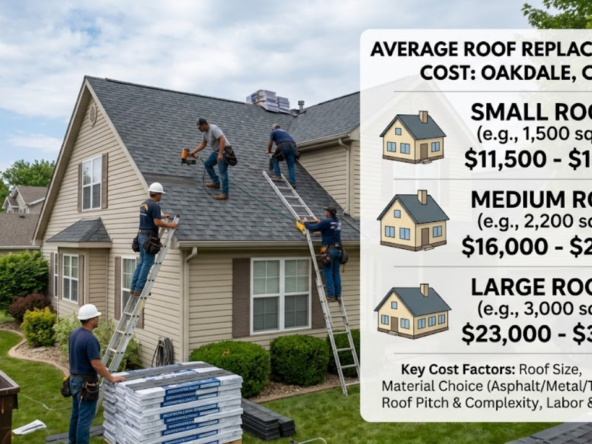
Remodeling costs in Orange County vary widely depending on scope and materials. A basic remodel may focus on surface upgrades, while a full home transformation includes structural and system-level changes.
Key cost factors include:
- Square footage
- Material quality
- Structural modifications
- Permit and inspection fees
- Labor and contractor expertise
A clear budget should also include a contingency buffer for unexpected issues such as hidden water damage or outdated wiring.
Remodel vs rebuild decision
One of the biggest early decisions is whether to remodel or rebuild. In many Laguna Hills properties, especially older homes, remodeling is chosen to preserve location advantages while upgrading structure and design.
Remodeling is usually better when:
- The foundation is solid
- The layout can be improved without full demolition
- Zoning restrictions limit rebuild options
Rebuilding makes sense when structural damage is extensive or redesign requirements are too complex.
Permits, Regulations, and Compliance in Laguna Hills
Every significant remodeling project in Laguna Hills must comply with city and county regulations.
Permit process and inspections
The City of Laguna Hills requires permits for:
- Structural changes
- Electrical rewiring
- Plumbing modifications
- Room additions
- ADU construction
Inspections typically occur at multiple stages: framing, electrical, plumbing, and completion.
A common mistake homeowners make is underestimating how permits affect timelines. Proper documentation prevents delays and legal issues later.
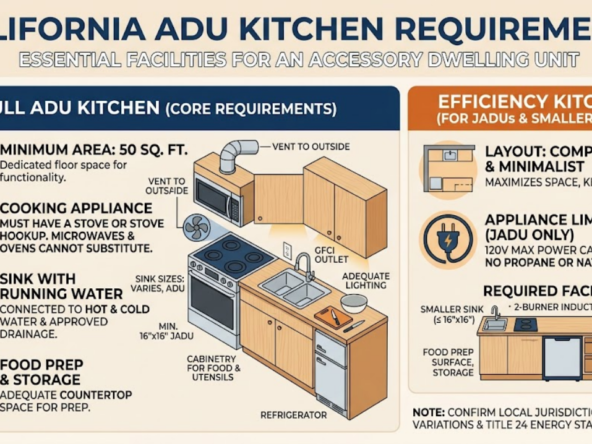
Also read: Do you know California ADU kitchen requirements for approval
HOA rules and community restrictions
Many neighborhoods in Laguna Hills fall under HOA governance. These associations often regulate:
- Exterior design changes
- Roofing materials
- Paint colors
- Structural additions visible from the street
Ignoring HOA approval can result in fines or forced reversal of completed work.
California building and energy standards
Remodeling in California must comply with state-level standards such as Title 24 energy efficiency regulations. These rules influence:
- Window performance
- Insulation requirements
- HVAC efficiency
- Lighting systems
Compliance is not optional and directly impacts project approval.
Structural Remodeling and Layout Transformation
Structural remodeling is where a home truly changes shape and function.
Removing load-bearing walls
One of the most impactful upgrades is removing walls to create open spaces. However, this requires engineering support to ensure weight distribution remains safe.
Typical steps include:
- Structural assessment by an engineer
- Load redistribution planning
- Installation of beams or support systems
- Inspection approval
Open concept living design
Modern Laguna Hills homes increasingly favor open layouts. This design improves:
- Natural light flow
- Family interaction
- Spatial perception
However, it requires careful planning to avoid structural and acoustic issues.
Floor plan reconfiguration
Older homes in Orange County often have segmented layouts. Reconfiguring rooms allows:
- Larger kitchens
- Expanded living areas
- Better traffic flow
- More functional storage spaces
Kitchen Remodeling in Laguna Hills
Kitchen remodeling remains one of the highest ROI projects in any home renovation.
Layout optimization strategies
Common layouts include:
- L-shaped kitchens
- U-shaped kitchens
- Island-centered designs
Each layout serves different space and usage needs.
Material selection and finishes
Homeowners often choose between quartz, granite, and engineered stone surfaces based on durability and maintenance preferences.
Cabinetry design also plays a major role in defining kitchen aesthetics and storage efficiency.
Lighting and appliance upgrades
Modern kitchens integrate:
- LED layered lighting
- Smart appliances
- Energy-efficient cooking systems
These upgrades improve both functionality and energy performance.
Bathroom Renovation and Wet Area Design
Bathrooms require a balance of design and technical waterproofing precision.
Waterproofing and durability standards
Proper bathroom remodeling includes:
- Moisture-resistant materials
- Waterproof membranes
- Drainage optimization
Failure in this area often leads to long-term structural damage.
Luxury bathroom design trends
High-end Laguna Hills bathrooms now include:
- Walk-in glass showers
- Freestanding tubs
- Minimalist floating vanities
- Spa-inspired lighting
Space optimization remains critical even in luxury designs.
ADU and Garage Conversion Projects in California
Accessory Dwelling Units (ADUs) have become a major trend in Orange County due to rental income potential and family housing flexibility.
Legal framework and approval process
California law allows ADU construction under specific zoning conditions. Key requirements include:
- Separate entry access
- Minimum safety standards
- Utility connections compliance
ROI potential of ADUs
ADUs often increase property value significantly while generating rental income. Garage conversions are especially popular due to lower construction costs compared to new builds.
Exterior Remodeling and Curb Appeal Upgrades
Exterior remodeling improves both aesthetics and structural protection.
Common exterior upgrades include:
- Stucco repair and refinishing
- Roofing replacement
- Energy-efficient windows
- Paint and siding upgrades
Laguna Hills homes, especially older properties, often require exterior restoration due to weather exposure and aging materials.
Backyard and Outdoor Living Enhancements
Outdoor spaces are becoming extensions of interior living areas.
Popular upgrades include:
- Outdoor kitchens
- Patio expansions
- Pool redesigns
- Landscape lighting systems
Well-designed outdoor areas significantly increase lifestyle value and resale appeal.
Energy Efficiency and Smart Home Integration
Modern remodeling is not just about appearance—it’s about performance.
Energy upgrades include:
- HVAC system replacement
- Insulation improvements
- Solar readiness
- Window efficiency upgrades
Smart home systems
Home automation is increasingly integrated during remodels, including:
- Smart lighting controls
- Security systems
- Climate automation
- Remote monitoring tools
These upgrades improve convenience and long-term energy savings.
Cost, ROI, and Financing Strategy
Understanding financial planning is essential for any remodeling project.
Common financing options
- Home equity line of credit (HELOC)
- Cash-out refinancing
- Renovation loans
ROI-driven remodeling choices
Not all upgrades deliver equal returns. High ROI projects include:
- Kitchen remodels
- Bathroom upgrades
- Curb appeal improvements
- ADU construction
Choosing the Right Contractor in Laguna Hills
Selecting a qualified contractor determines project success.
What to verify:
- Valid CSLB license
- Insurance coverage
- Past project portfolio
- Transparent pricing structure
Avoid contractors without proper documentation or unclear timelines.
Construction Timeline and Project Execution
A typical remodel follows structured phases:
- Planning and design
- Permitting
- Demolition
- Structural work
- Systems installation
- Interior finishing
- Final inspection
Delays often occur due to permit approvals or material availability.
Common Remodeling Mistakes to Avoid
Many homeowners face avoidable issues such as:
- Underestimating budget requirements
- Skipping engineering assessments
- Ignoring HOA rules
- Poor contractor selection
- Weak project planning
Careful preparation eliminates most of these risks.
FAQS: Home remodeling Laguna Hills
How long does a home remodel take in Laguna Hills?
Most projects range from a few weeks for small upgrades to several months for full home renovations.
Do I need permits for remodeling in Orange County?
Yes, structural, electrical, plumbing, and major layout changes require permits.
What adds the most value in a remodel?
Kitchens, bathrooms, and ADU conversions typically provide the highest return on investment.
Can I live in my home during renovation?
It depends on the project scale. Large structural remodels often require temporary relocation.
Conclusion
Home remodeling in Laguna Hills is a strategic investment that blends design, engineering, and long-term planning. From structural upgrades to energy efficiency improvements, every decision impacts comfort, value, and livability.
A successful remodel is not just about changing how a house looks—it’s about improving how it works for everyday life. With the right planning, compliance, and design approach, even older homes in Orange County can be transformed into modern, high-value living spaces.