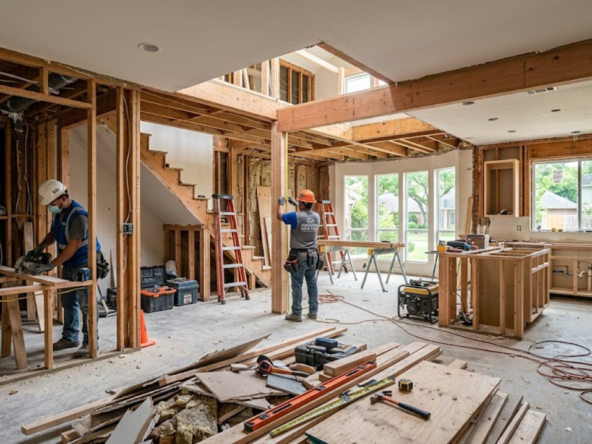
Home renovation in Oakland is more than just upgrading a property. It is a balance of design, safety, compliance, and long-term value. Many homes in the area are older, structurally unique, and located in neighborhoods with strict building requirements. That combination makes planning essential before any work begins.
Whether you are updating a kitchen, expanding your living space, or planning a full structural overhaul, understanding how renovation works in Oakland helps you avoid delays, reduce costs, and improve results.
Understanding Home Renovation in Oakland
Home renovation in Oakland involves improving or redesigning existing residential structures to enhance functionality, safety, and property value. Unlike new construction, renovation projects must work within existing layouts, older building systems, and local regulations.
Oakland homes often include Victorian, Craftsman, and mid-century structures. These properties bring charm but also challenges, such as outdated wiring, weak foundations, and limited space efficiency.
In simple terms, home renovation means upgrading an existing house while ensuring it meets modern living standards, safety codes, and design expectations.
Common renovation types include:
- Kitchen remodels
- Bathroom upgrades
- Structural repairs
- Full home remodeling
- ADU construction
- Energy efficiency improvements
Why Oakland Homes Require Special Renovation Planning
Renovating in Oakland is not the same as in newer cities. Many properties were built decades ago, which introduces hidden risks and extra compliance steps.
Key factors that make Oakland unique:
- Older housing stock with aging infrastructure
- Earthquake vulnerability requires seismic upgrades
- Strict building permits and inspection rules
- Mixed zoning regulations in residential areas
- High demand for ADU conversions and expansions
These conditions mean planning is not optional. It is the foundation of a successful project.
Permit Process and Local Building Rules
Before any renovation starts, approval from the Oakland Planning & Building Department is often required. Even small upgrades may need permits depending on the scope.
Typical permit steps:
- Submit renovation plans
- City review and corrections
- Permit approval
- Scheduled inspections during construction
- Final approval after completion
Delays usually happen when drawings are incomplete or when structural changes are not clearly documented.
A useful rule: the more structural the work, the more detailed the approval process becomes.
Also read: Home Renovation Glencoe What Is Cost Permit Process Guide
Cost Breakdown of Home Renovation in Oakland
Renovation costs vary widely based on size, materials, and complexity.
Average ranges:
- Kitchen remodel: Mid to high investment, depending on layout changes
- Bathroom renovation: Moderate to high, depending on fixtures
- Whole house renovation: Highest due to structural and system upgrades
- ADU construction: High initial cost with long-term rental value
Main cost drivers:
- Labor rates in the Bay Area
- Permit and inspection fees
- Material quality
- Structural upgrades
- Electrical and plumbing replacement
A major factor that many homeowners underestimate is hidden structural repair, especially in older homes.
Kitchen and Bathroom Remodeling Focus Areas
Kitchen and bathroom renovations offer the highest visual and functional impact.
Kitchen upgrades:
- Open concept layout redesign
- Modern cabinetry and storage optimization
- Countertop material upgrades
- Lighting and ventilation improvements
Bathroom upgrades:
- Water-efficient fixtures
- Walk-in shower installation
- Tile and waterproofing improvements
- Space optimization in small layouts
These two areas strongly influence resale value and daily comfort.
Structural Safety and Seismic Upgrades
One of the most critical parts of renovation in Oakland is structural safety.
Older homes often require:
- Foundation reinforcement
- Wall bracing systems
- Roof structure improvements
- Soft-story retrofitting
Seismic upgrades are not optional in many cases. They improve safety during earthquakes and help homes meet California building standards.
Ignoring structural issues can lead to failed inspections or costly future repairs.
ADU Construction and Backyard Units
Accessory Dwelling Units (ADUs) have become extremely popular in Oakland due to housing demand and rental income potential.
What is an ADU?
An ADU is a secondary living unit built on the same property as a main home. It can be attached, detached, or converted from existing spaces like garages.
Benefits:
- Rental income potential
- Increased property value
- Multi-generational living flexibility
Common ADU types:
- Garage conversions
- Detached backyard units
- Basement conversions
Rules for ADUs in Oakland are generally supportive, but zoning and size restrictions still apply
Design Strategy and Modern Home Upgrades
Modern renovation is not just about repairs. It is about improving lifestyle.
Popular design trends:
- Open floor layouts
- Natural light optimization
- Minimalist interior design
- Smart storage solutions
Smart home integration:
- Automated lighting systems
- Security cameras and smart locks
- Climate control systems
- Energy monitoring tools
These upgrades improve comfort while reducing long-term energy costs.
Energy Efficiency and Sustainable Renovation
Energy efficiency is a major focus in California renovation projects.
Common improvements include:
- Insulation upgrades
- High-efficiency HVAC systems
- Solar panel installation
- Double-pane windows
Sustainable remodeling not only reduces utility bills but also increases property appeal in competitive housing markets.
Renovation ROI and Property Value Impact
A well-planned renovation can significantly increase home value in Oakland.
High ROI improvements:
- Kitchen remodeling
- Bathroom upgrades
- ADU addition
- Energy-efficient systems
- Structural safety upgrades
Buyers in Oakland often prioritize safety, modern layouts, and rental potential over luxury finishes.
The best ROI comes from balancing design upgrades with functional improvements.
Contractor Selection and Project Management
Choosing the right contractor is one of the most important decisions in any renovation project.
What to look for:
- Valid licensing and insurance
- Local experience in Oakland homes
- Strong portfolio of similar projects
- Clear communication and contracts
Common mistakes to avoid:
- Choosing the lowest bid without verification
- Ignoring permit handling experience
- Poor project timeline planning
Reliable contractors understand local codes, which reduces delays and inspection issues.
Renovation Timeline and Planning Strategy
Renovation timelines depend on scope:
- Small remodels: a few weeks to a couple of months
- Medium renovations: several months
- Full home remodels: 6 months or longer
Delays often occur due to permit approvals, material shortages, or unexpected structural issues.
A realistic timeline always includes buffer time for inspections and revisions.
Hidden Challenges in Oakland Renovation Projects
Many homeowners are surprised by unexpected issues such as:
- Outdated electrical systems
- Water damage behind walls
- Foundation cracks
- Non-compliant previous renovations
- Permit history complications
These issues are common in older neighborhoods and should be checked before work begins.
A pre-renovation inspection can reduce surprises significantly.
Cost Optimization Strategies
Smart planning can reduce renovation costs without lowering quality.
Effective strategies:
- Reuse existing layouts when possible
- Prioritize structural needs first
- Phase large projects over time
- Compare material suppliers
- Avoid unnecessary design complexity
Budget planning should always include a contingency fund for unexpected repairs.
FAQS: Oakland Home Renovation
How much does home renovation cost in Oakland?
Costs vary widely depending on size and scope, but structural upgrades and labor rates in the Bay Area make Oakland renovations more expensive than national averages.
Do I need a permit to remodel a house in Oakland?
Yes, most structural, electrical, and plumbing changes require permits from the city before work begins.
Can I live in my house during renovation?
It depends on the scale of work. Small remodels may allow it, but full home renovations often require temporary relocation.
What adds the most value in Oakland homes?
Kitchen upgrades, ADUs, and energy-efficient improvements typically offer the highest return on investment.
Are ADUs allowed in Oakland?
Yes, ADUs are permitted under California law, but they must follow local zoning and building regulations.
Final Thoughts
Renovating a home in Oakland is a structured process that combines design, compliance, and long-term planning. The city’s older housing stock makes upgrades more complex, but also more rewarding when done correctly.
A successful renovation focuses on safety, smart design, and future value. Whether it’s a small kitchen upgrade or a full property transformation, the key is understanding the structure, respecting local rules, and investing in improvements that truly matter.