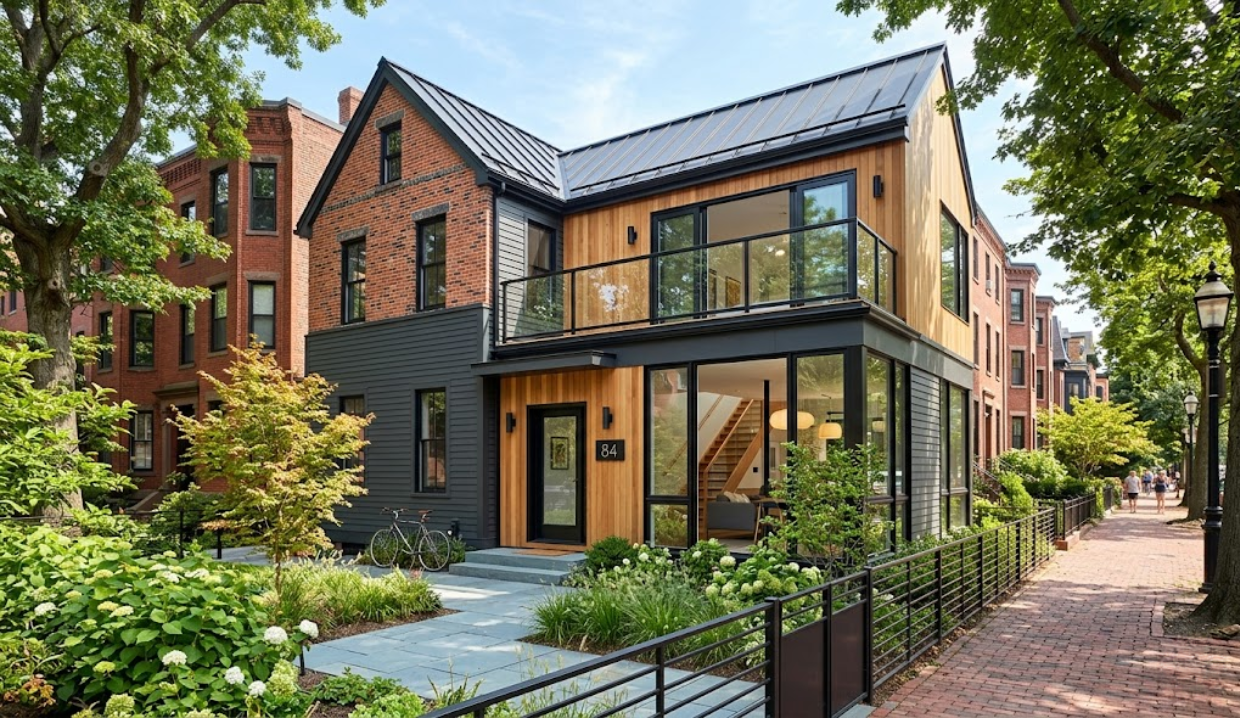
Boston is a city where history and modern living constantly intersect. Walk through neighborhoods like Back Bay, Beacon Hill, or South End, and you’ll see centuries-old brownstones sitting right beside sleek, updated interiors. This blend creates a unique challenge for homeowners: how do you bring a home into the present without losing its architectural soul?
A Boston contemporary home renovation is the answer. It focuses on transforming older or traditional properties into modern, functional, and energy-efficient spaces while preserving their character. Whether you’re upgrading a historic townhouse or reimagining a city condo, the goal is the same—balance heritage with modern lifestyle needs.
Understanding Contemporary Home Renovation in Boston
A contemporary renovation in Boston goes far beyond cosmetic upgrades. It involves rethinking structure, layout, systems, and design flow to match today’s lifestyle expectations.
In simple terms, it means reshaping a home into a more open, efficient, and visually clean environment while respecting the original architecture. In many cases, this includes modernizing brownstones, updating Victorian interiors, or transforming outdated layouts into open concept floor plans.
A typical Boston contemporary home renovation includes:
- Structural reconfiguration for open layouts
- Modern kitchen and bathroom redesign
- Energy-efficient systems upgrades
- Smart home automation integration
- Sustainable material selection
- Basement or attic space conversion
This approach is especially common in Boston brownstones and historic properties where original layouts are compartmentalized and less functional for modern living.
Why Boston Homes Need Modern Renovation
Boston’s housing stock is rich in history, but many homes were built before modern lifestyle expectations existed. Narrow hallways, small rooms, and outdated systems are common.
Homeowners typically renovate for three main reasons:
1. Functionality
Older homes were not designed for open living, large kitchens, or integrated family spaces.
2. Energy Efficiency
Pre-war homes often lack insulation, efficient HVAC systems, and modern windows.
3. Value Enhancement
A well-executed renovation can significantly increase property value, especially in high-demand neighborhoods.
Modern upgrades also help align homes with Massachusetts building energy standards, improving long-term sustainability.
Planning a Boston Contemporary Home Renovation
Before starting construction, planning is essential. Boston has strict regulations, especially in historic districts like Beacon Hill and Back Bay.
Key Planning Steps:
- Property evaluation and feasibility study
- Budget estimation and financial planning
- Architectural design development
- Permit applications and zoning approvals
- Contractor selection
Understanding the building permit application system Boston uses is crucial, as approval timelines can impact project schedules significantly.
Many homeowners also work with architectural design-build firms to streamline communication between design and construction phases.
Also read: Oakland Home Renovation What Are Costs Permits And ADUs
Design Strategy: Blending Modern and Historic Elements
One of the most important aspects of a Boston contemporary home renovation is design balance. The goal is not to erase history but to elevate it.
Open Concept Transformation
Walls are often removed or restructured to create fluid spaces between kitchens, dining areas, and living rooms. This improves light flow and spatial perception.
Minimalist Interior Architecture
Clean lines, neutral palettes, and functional layouts define modern Boston interiors. Custom millwork and engineered hardwood flooring are often used to maintain warmth.
Material Harmony
Common material choices include:
- Quartz countertops
- Reclaimed wood finishes
- Glass partitions
- Natural stone accents
These materials create contrast between the old structure and the new design.
Structural Engineering in Older Boston Homes
Behind every beautiful renovation is complex structural work. Many Boston homes, especially brownstones, require reinforcement before design changes can happen.
Load-Bearing Modifications
Removing walls often requires steel framing or beam replacements to maintain structural integrity.
Basement Excavation
In urban Boston homes, basement finishing is a major value upgrade. However, it involves waterproofing, soil analysis, and drainage systems due to local ground conditions.
Pre-War System Upgrades
Older homes often require:
- Electrical rewiring
- Plumbing replacement
- HVAC modernization
These updates ensure safety and long-term durability.
Energy Efficiency and Sustainable Renovation
Sustainability is no longer optional in modern construction. Many homeowners aim for passive house renovation standards or near-net-zero performance.
Key Energy Upgrades:
- High-performance insulation systems
- Energy-efficient window replacements
- Radiant floor heating systems
- HVAC zoning systems
- Air sealing to reduce thermal loss
Concepts like thermal bridging solutions for pre-war Boston homes are critical in reducing energy waste.
Some advanced projects even follow carbon-neutral material sourcing strategies to minimize environmental impact.
Smart Home Integration in Boston Renovations
Modern homes in Boston increasingly rely on automation systems for convenience and efficiency.
Common integrations include:
- Lighting automation
- Climate control systems
- Security monitoring
- Voice-controlled devices
- Remote energy management
Smart home automation systems are typically embedded during renovation rather than added later, ensuring cleaner installation and better performance.
Kitchen and Bathroom Modernization
Kitchens and bathrooms are the most impactful areas in any renovation.
Modern Kitchen Features:
- Open layouts with islands
- Hidden storage architecture
- Minimalist cabinetry
- Integrated appliances
- High-end finishes
Bathroom Design Trends:
- Spa-style wet rooms
- Frameless glass showers
- Heated flooring
- Floating vanities
These spaces often define the overall value of a Boston luxury home remodeling project.
Basement and Space Optimization
In Boston, space is extremely valuable. That’s why basement renovation is one of the most popular upgrades.
Basement Transformation Uses:
- Guest suites
- Home offices
- Entertainment areas
- Rental units
Proper waterproofing and vapor barrier strategy for Boston basement retrofits are essential to prevent moisture issues.
Space optimization also extends to upper floors, where stairwell redesign for narrow vertical homes improves flow and usability.
Working with Contractors and Designers
Choosing the right team is one of the most important decisions in any renovation.
Common Options:
- General contractors
- Interior architects
- Design-build firms
- Structural engineers
Design-build firms are often preferred because they combine architecture and construction under one system, reducing miscommunication.
When selecting professionals, experience with historic home modernization in Boston projects is a major advantage.
Cost and Value of Renovation in Boston
Renovation costs vary depending on scope, materials, and property type. However, luxury renovations in Boston typically involve:
- Structural modifications
- High-end finishes
- System upgrades
- Design customization
While costs can be high, the return on investment is often strong in competitive neighborhoods. Homes in areas like Back Bay and South End tend to gain substantial value after modernization.
Common Challenges in Boston Renovations
Renovating in Boston comes with unique challenges:
- Historic district restrictions
- Limited construction access in dense areas
- Aging infrastructure
- Strict zoning regulations
- Weather-related material considerations
Issues like humidity control systems for New England homes and acoustic insulation for urban Boston luxury homes are often overlooked but highly important.
Advanced Design Trends in Boston Homes
Modern Boston renovations are moving toward more refined, performance-driven design.
Some emerging trends include:
- Adaptive reuse interior transformation
- Concealed HVAC integration in ceilings
- Passive cooling strategies for summer efficiency
- Hidden lighting architecture for luxury interiors
- Zero-waste renovation workflows
- Modular renovation sequencing for occupied homes
These approaches focus on efficiency, sustainability, and aesthetic minimalism.
FAQs About Boston Contemporary Home Renovation
What is a Boston contemporary home renovation?
It is the process of updating older Boston properties with modern layouts, materials, and systems while preserving architectural character.
How long does a full renovation take?
Most full-home renovations in Boston take several months, depending on complexity, permits, and structural changes.
Can historic homes be modernized?
Yes, but they must comply with preservation guidelines, especially in protected districts like Beacon Hill.
Is basement renovation worth it in Boston?
Yes. Basements significantly increase usable space and overall property value when properly waterproofed and finished.
What increases home value the most?
Open layouts, modern kitchens, energy efficiency upgrades, and smart home systems typically deliver the highest ROI.
Conclusion
A Boston contemporary home renovation is more than a design upgrade. It is a complete transformation of how a home functions, feels, and performs in modern life. From structural engineering and energy efficiency to interior aesthetics and smart systems, every detail plays a role in shaping a balanced living space.
The most successful renovations in Boston are those that respect the city’s architectural heritage while confidently introducing modern design principles. When done correctly, the result is a home that feels timeless, functional, and built for the future.