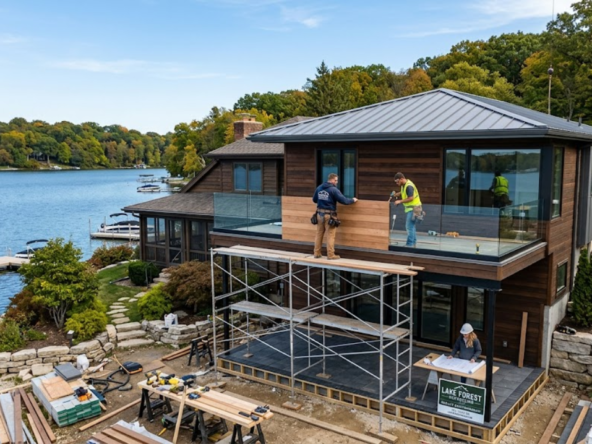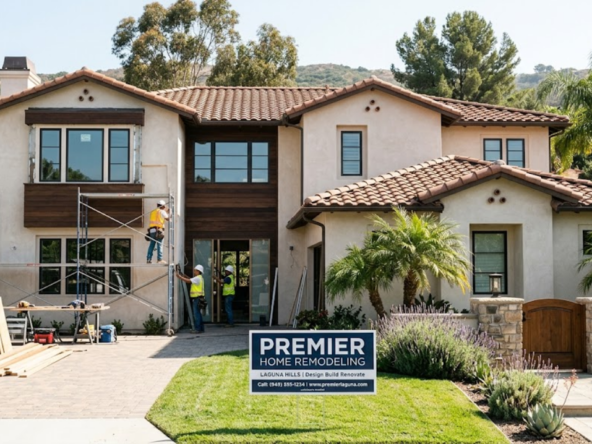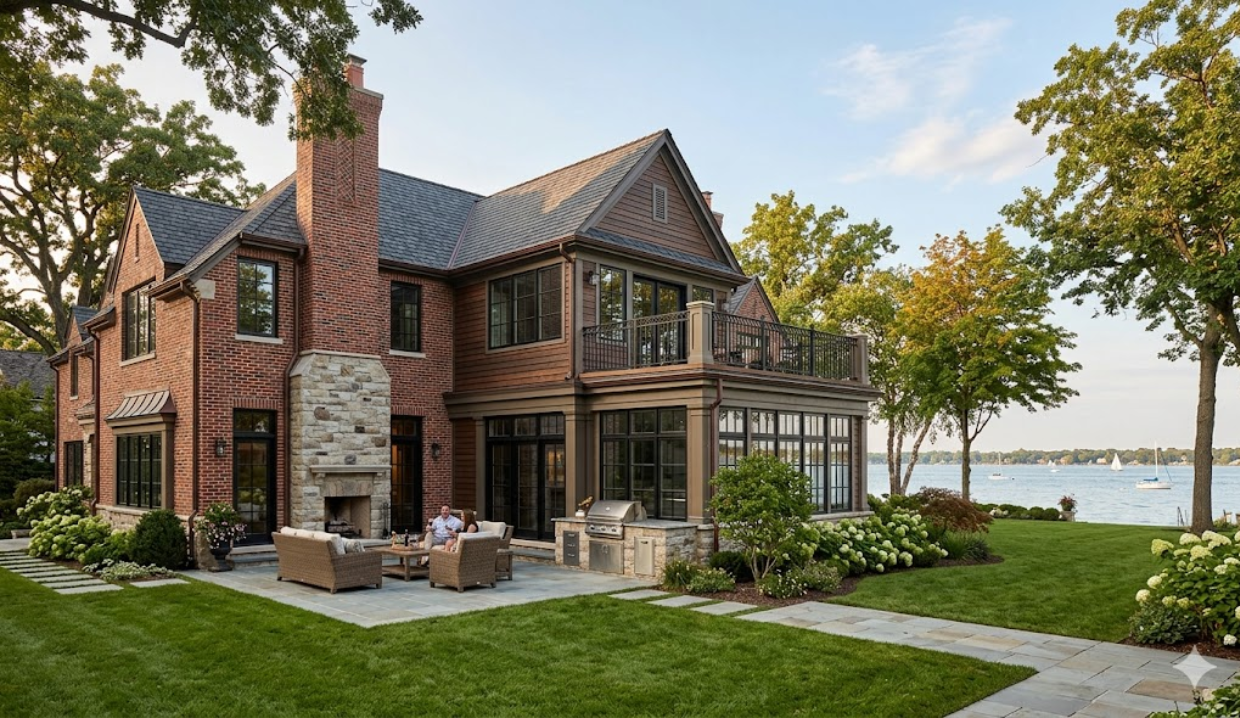
When homeowners in Lake Forest start running out of space, moving isn’t always the best solution. Expanding your existing home can be smarter—but only if you understand the rules, costs, and technical details involved. Many projects fail or get delayed due to zoning issues, permit mistakes, or poor planning.
This guide breaks down everything you need to know about home additions in Lake Forest, from permits and costs to structural engineering and modern design strategies. Whether you’re planning a small bump-out or a full second-story addition, this article will help you make informed decisions with confidence.
Understanding Home Additions in Lake Forest
A home addition is the process of expanding your current living space by building new rooms or extending existing ones. It can involve horizontal expansions, vertical builds, or converting unused areas into livable space.
Types of Home Additions and Use Cases
- Room expansions: Adding bedrooms, offices, or living rooms
- Kitchen bump-out additions: Expanding cooking space without major structural changes
- Second-story additions: Building upward to maximize land use
- Garage to living space conversion: Turning unused garages into functional rooms
- Accessory dwelling units (ADUs): Separate living units for rental or family use
Each type comes with different structural engineering requirements, permit processes, and cost implications.
When to Choose an Addition vs ADU
- Choose a home addition if you want seamless integration with your existing layout
- Choose an ADU if you need rental income or a separate living space
In Lake Forest, ADU regulations and zoning rules differ from standard additions, so understanding local compliance is critical
Lake Forest Zoning Laws and Permit Requirements
Before starting any project, you must comply with Lake Forest zoning laws and building regulations.
Setback Rules and Lot Coverage Limits
Setbacks define how far your addition must be from property lines. These rules ensure safety, privacy, and proper land use.
- Front, rear, and side yard setbacks vary by neighborhood
- Lot coverage limits restrict how much of your land can be built on
Ignoring these can lead to permit rejection or costly redesigns.
Permit Approval Process Step by Step
- Prepare architectural drafting and floor plans
- Submit plans to the local building department
- Complete structural load calculations
- Undergo plan review and revisions
- Receive permit approval
- Begin construction with scheduled inspections
This process involves multiple checks, including building code compliance in Orange County and California Title 24 energy standards.
HOA and Community Restrictions
Many Lake Forest communities have HOA rules that regulate:
- Exterior design and materials
- Roofline and height limits
- Noise and construction hours
Always check HOA guidelines before submitting plans.
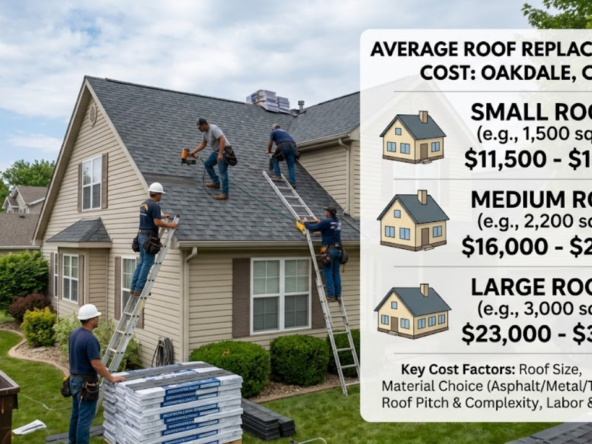
Also read: Average roof replacement price oakdale how much does it cost
Cost of Home Additions in Lake Forest
Cost Per Square Foot Breakdown
The average home addition cost per square foot in Orange County varies depending on complexity:
| Type of Addition | Estimated Cost Range |
|---|---|
| Basic room addition | $150 – $300 |
| Luxury home expansion | $300 – $600+ |
| Second story addition | $400 – $700 |
| Garage conversion | $120 – $250 |
Hidden Costs Homeowners Miss
- Permit and inspection fees
- Soil testing and geotechnical analysis
- Utility system extensions (plumbing, HVAC)
- Structural reinforcement for older homes
- Temporary housing during construction
These “hidden costs” often increase the total budget by 15–25%.
ROI and Property Value Impact
Well-planned additions can significantly increase property value, especially:
- Master suite expansions
- Open concept living spaces
- Multigenerational living additions
However, overbuilding beyond neighborhood standards may reduce ROI.
Design and Planning Your Home Addition
Architect vs Design-Build Approach
- Architect-led projects focus on detailed customization
- Design-build firms handle both design and construction, simplifying coordination
For most homeowners, the design-build model reduces delays and miscommunication.
Matching Existing Home Structure
A successful addition should blend seamlessly with your home:
- Match rooflines, siding, and materials
- Maintain consistent ceiling height
- Align window styles and proportions
Poor integration can reduce aesthetic value and resale appeal.
Modern Trends and Smart Home Upgrades
- Smart home automation systems
- Natural light optimization using skylights
- Indoor-outdoor living extensions
- Minimalist footprint expansions
These features enhance both comfort and long-term efficiency.
Structural and Engineering Considerations
Foundation Types and Expansion Challenges
- Slab foundations: Easier for small additions
- Raised foundations: More flexible but complex
Extending foundations requires precise engineering to prevent cracks and uneven settling.
Load Bearing Walls and Vertical Additions
Removing load-bearing walls or adding a second story requires:
- Structural load calculations
- Reinforced beams and framing
- Professional engineering approval
This is not a DIY-friendly area—errors can compromise safety.
Seismic and Safety Compliance
California homes must meet strict seismic standards. During additions, many homeowners upgrade:
- Seismic retrofit engineering
- Fire-resistant building materials
- Structural reinforcement for older homes
Utilities and System Extensions
Electrical and Plumbing Expansion
Adding new rooms often requires:
- Upgrading electrical panels
- Extending plumbing lines
- Ensuring code-compliant installations
HVAC Zoning and Efficiency
Modern additions use HVAC zoning systems, allowing separate temperature control for new spaces. This improves energy efficiency and comfort.
Energy Compliance Title 24
California’s Title 24 energy standards require:
- Efficient insulation
- Proper ventilation
- Energy-saving windows
Failing to meet these standards can delay approval.
Construction Timeline and Process
Pre-Construction Planning Phase
This includes:
- Design finalization
- Permit approvals
- Budget confirmation
Construction Stages and Inspections
- Site preparation and foundation work
- Framing and structural build
- Utility installations
- Interior finishing
- Final inspections
Each stage requires approval from inspectors.
Common Delays and How to Avoid Them
- Permit processing delays
- Material shortages
- Weather disruptions
- Contractor scheduling conflicts
Planning ahead and working with experienced professionals reduces risks.
Choosing the Right Contractor in Lake Forest
License Verification CSLB
Always verify your contractor through the California Contractors State License Board (CSLB). This ensures:
- Proper licensing
- Insurance coverage
- Legal compliance
Questions to Ask Before Hiring
- Do you have experience with similar projects?
- Can you provide references?
- What is your timeline and cost estimate?
- How do you handle permits and inspections?
Red Flags to Avoid
- Unusually low bids
- Lack of written contracts
- Poor communication
- No license or insurance
Advanced Strategies Competitors Miss
Passive Solar and Eco-Friendly Additions
Designing for passive solar energy can reduce heating and cooling costs:
- South-facing windows
- Thermal insulation optimization
- Daylight harvesting design
Multigenerational Living Design
With rising housing costs, many families are building:
- Separate suites for relatives
- Private entrances
- Shared common areas
These designs increase functionality and long-term value.
Aging in Place Home Additions
For long-term living, consider:
- Wider doorways
- Step-free access
- Accessible bathrooms
These features improve safety and usability over time.
Final Checklist Before Starting Your Project
Budget and Financing Readiness
- Explore home equity loans or HELOC options
- Set aside contingency funds
- Plan for unexpected costs
Permit and Documentation Checklist
- Architectural plans
- Structural calculations
- Energy compliance reports
- HOA approvals
Construction Readiness Plan
- Temporary living arrangements
- Noise regulation awareness
- Clear project timeline
FAQS: Home additions Lake Forest
How long does a home addition take in Lake Forest?
Most projects take 3 to 9 months, depending on size and complexity. Larger additions or second story builds may take longer due to structural and permit requirements.
What permits are required for home additions?
You need building permits covering:
Structural changes
Electrical and plumbing work
Energy compliance
Each project must pass multiple inspections before completion.
Is it cheaper to build up or out?
Building out is usually cheaper for small expansions
Building up saves land space but requires stronger structural support
Can I convert my garage into living space?
Yes, but you must follow garage conversion permit requirements and zoning laws. Parking replacement rules may also apply.
Does a home addition increase property taxes?
Yes. Property taxes typically increase based on the added square footage and improved property value.
Conclusion
Home additions in Lake Forest offer a powerful way to expand your living space without relocating. However, success depends on understanding zoning laws, managing costs, and planning every structural and design detail carefully.
Key takeaways:
- Always start with zoning and permit research
- Budget for hidden costs and contingencies
- Work with licensed professionals and engineers
- Focus on energy efficiency and long-term value
- Use smart design strategies for modern living
With the right approach, your home addition can transform your space, improve functionality, and significantly increase property value—without unnecessary stress or delays.